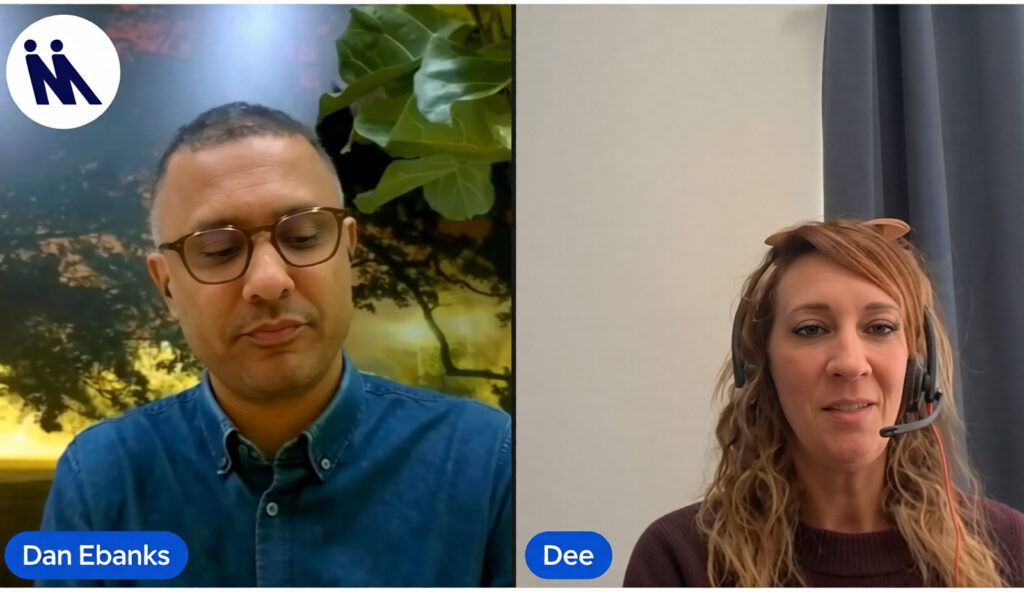
A practitioner interview with Dee Baybutt from the Wigan Communities Team
Social Value can begin with good intentions.
A business wants to support its local community. A council wants suppliers to contribute beyond the contract. A community organisation needs funding, equipment, skills, volunteers or practical help.
The difficulty comes when those things do not have a clear way to connect.
Businesses may offer what they have available without knowing where it is most needed. Community organisations may struggle to find the right support. Councils may know that activity is happening without having a clear view of where it is going or what it is achieving.
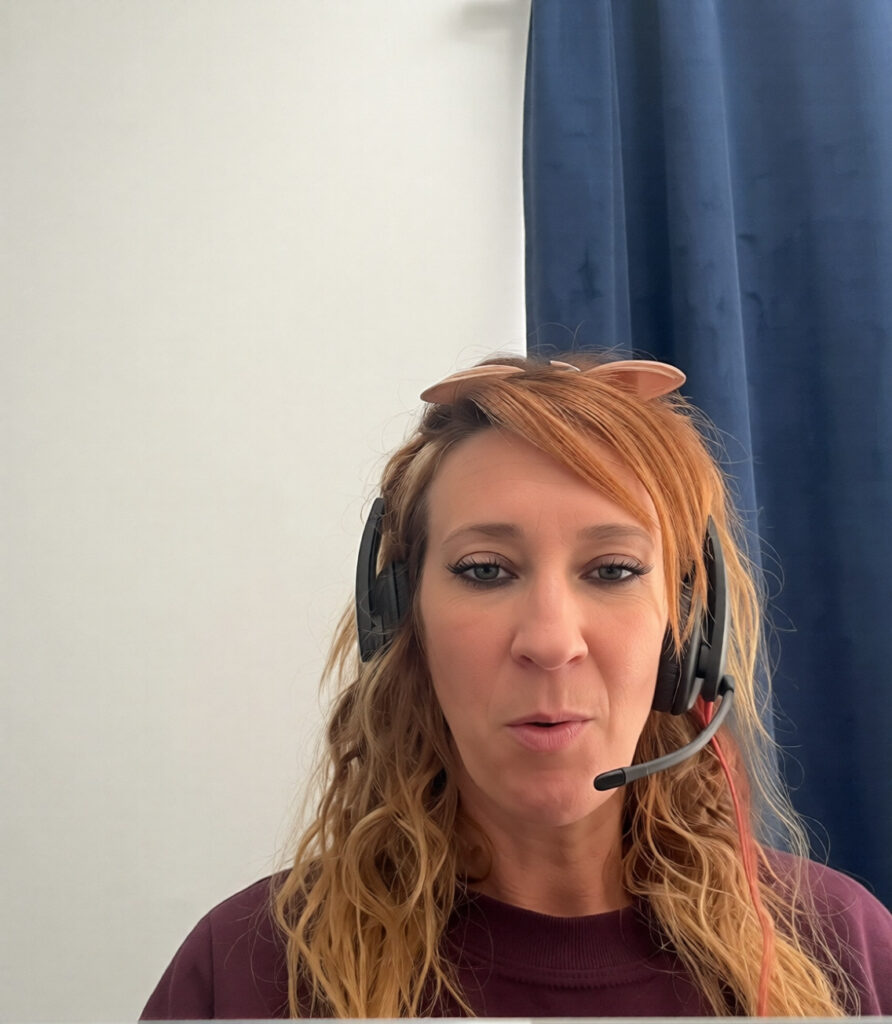
This was one of the challenges Dee Baybutt discussed during Match My Project’s first practitioner interview.
As part of Wigan Council’s Communities Team, Dee has worked through the practical questions around Social Value delivery: understanding local needs, connecting businesses with community organisations, monitoring activity and making sure support contributes to wider council priorities.
Her experience points to a clear lesson:
Social Value becomes more useful when communities can identify what they need, and businesses have a clear way to respond.
Moving beyond supplier-led Social Value
Before Wigan introduced its current approach, Dee said the council knew businesses were supporting communities across the borough. What it lacked was a reliable way to understand the activity.
There was also a mismatch between what businesses offered and what communities needed.
“A lot of the social value was supplier-led,” Dee said, “rather than community-led. So, it didn’t always match the needs of our residents or our strategic prior.”
Volunteer time, career talks and donations could all be valuable. The question was whether they were reaching the right places and addressing the issues local organisations were trying to resolve.
Wigan decided to change the starting point.
Instead of asking businesses what they wanted to provide and then looking for a suitable recipient, the council wanted community organisations to have a stronger voice in identifying the projects and resources that would help them.
This approach connects with Wigan’s Progress with Unity strategy, developed with businesses, residents, community groups and colleges. The strategy focuses on tackling inequalities, supporting families to thrive and strengthening collaboration across the borough.
“It’s not us doing to communities or for them,” she said. “It’s working alongside them and with them.”
Giving smaller organisations a route to support
Wigan has around 2,000 community groups, ranging from small grassroots organisations to larger charities and community interest companies.
The smaller organisations can have detailed knowledge of their neighbourhoods but limited capacity to build relationships with businesses. They may not have the time to promote their work, prepare requests or manage several conversations with potential supporters.
Businesses, on the other hand, might approach the council with an idea of what they wanted to offer, but finding an organisation that needed that particular support could be difficult.
Match My Project gave both sides a space.
Community organisations post projects based on their own priorities. Businesses browse opportunities and identify support that matches their skills, resources, location or interests.
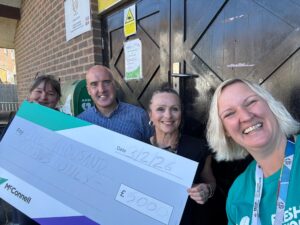
Dee believes that one of the most encouraging changes has been seeing smaller organisations gain access to opportunities that might previously have passed them by.
“They make a huge, huge impact in their areas,” she said of the smaller groups. “It’s been really, really great to see these relationships being built with groups that wouldn’t have even got a look in before.”
Thanks Dee!
About Match My Project
Match My Project connects community organisations with local businesses to deliver Social Value. Get in touch at hello@matchmyproject.org to find out how your organisation can get started.