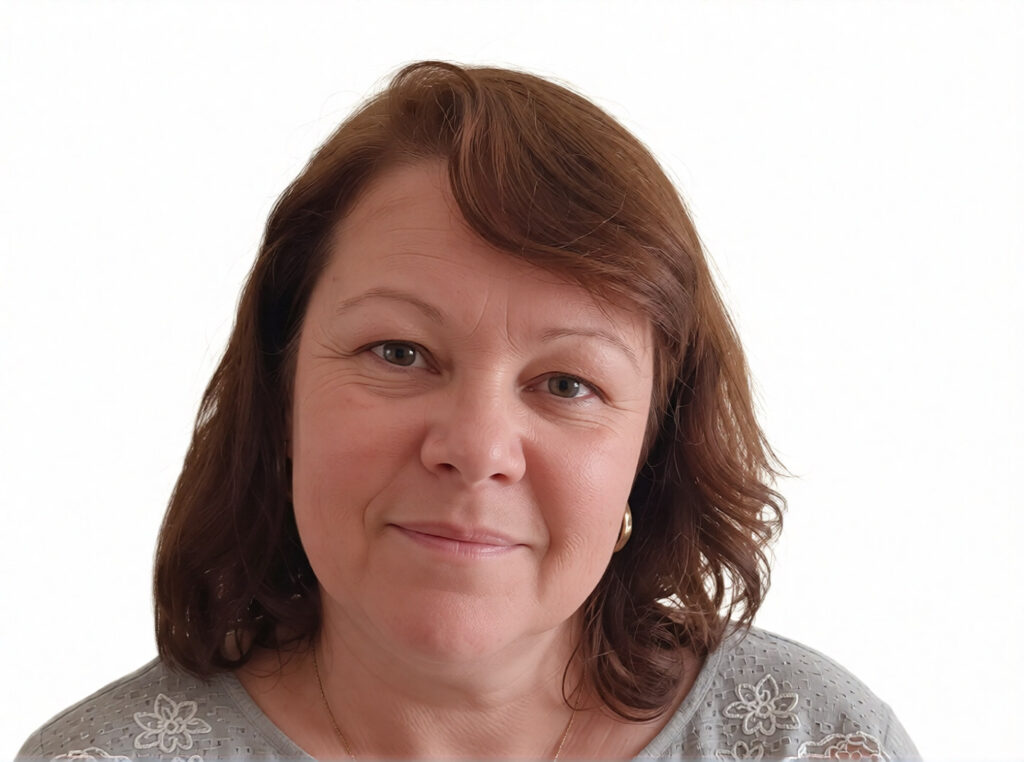
On 12 November, Match My Project sat down with Carol Glenn for a live practitioner interview. Carol spent 18 years working in local government procurement, including nine years as Social Value Programme Manager at Solihull Metropolitan Borough Council. During that time, her work helped the council win the 2021 Social Value Award for Embedding Social Value in Contract Management. She also chaired the West Midlands Social Value Taskforce for several years.
In conversation with Dan Ebanks, one question kept coming up: who actually owns Social Value within a council?
Nobody owns it; everybody does.
Solihull Council had a formal structure in place: a head of service group chaired by the head of procurement, a portfolio holder responsible for the wider resources portfolio, and Carol overseeing the programme day to day. But when asked where ultimate responsibility sat, Carol challenged the idea that Social Value belonged to any one person or team.
“The actual owner of Social Value in the council is everybody who worked there,” she said. “Officers know what objectives their departments have, they know what initiatives are going on at any one time. They’re ultimately the ones that are talking to the suppliers through their contracts.”
It was an approach reflected in Solihull’s own Social Value policy, which states that Social Value is everyone’s responsibility.
From initial suspicion to partnership with the community team
One of the most practical parts of the conversation focused on Solihull’s community team. These were the people with close relationships with local organisations and a detailed understanding of what communities needed.
When Carol took on the role nine years earlier, she knew very little about Social Value. She soon recognised that embedding it in procurement would only work if she built a strong relationship with the community team. They had the local knowledge, connections and understanding of community needs that procurement could not provide on its own.
The relationship, however, took time to develop.
“The team was a little bit reluctant at first because they thought I was trying to shake things up for them when they had just been through quite a disruptive period of change actually and were a bit suspicious.”
Carol Glenn
There were also practical challenges. Some of the early requests from community organisations were unrealistic, and having to explain why certain things could not be delivered created tension before both teams had fully understood each other’s roles.
What changed the relationship was building trust and showing that Carol’s role was to support the community team, not scrutinise its work.
“It was quite a beautiful relationship,” she said. “We were running Social Value events, we developed relationships with community groups, and we worked together to come up with solutions when either the supplier or the community groups came up with issues.”
Asked whether the community team had ever felt like the poor relation to procurement, Carol reflects, “I never actually saw the community team as a poor relation. I saw them as a partner with myself.”
Community teams bring knowledge of local needs and established relationships that can help turn supplier commitments into meaningful activity. Involving them from the outset gives Social Value a much stronger connection to the people and organisations.

Contract management starts before delivery
Carol was equally candid about the challenges of contract management across the public sector, describing it as “notoriously bad.” Solihull faced similar difficulties, particularly as dedicated contract management responsibilities were increasingly being absorbed into other roles.
With greater emphasis on monitoring contract delivery, Carol described how the council worked to strengthen its approach through one-to-one sessions and formal training for contract managers.
A key part of that work was introducing a Social Value onboarding meeting at the start of every contract.
The meeting brought Carol, the supplier and the contract manager together to review the commitments made during the tender process. Where targets had not already been agreed, they could be clarified at this stage. The group also discussed who was responsible for each action, where suppliers could get support and how to raise concerns if delivery started to go off track.
“I always said in those meetings that we don’t want to see our suppliers fail at Social Value,” Carol said. “We’re there to help them every step of the way.”
The approach was particularly useful when working with suppliers based outside the borough. Many had no existing knowledge of Solihull’s community organisations or which local groups might benefit from their skills and resources.
Onboarding was an opportunity to make those connections. The council could introduce suppliers to its jobs and skills team, local colleges and community groups, helping them identify practical ways to deliver their commitments.
Rather than leaving suppliers to work out local opportunities on their own, the council helped create a route from the commitments made in a contract to the organisations and people who could benefit from them.
Social Value is a shared responsibility
Carol’s experience in Solihull points to a wider lesson for councils: a Social Value programme cannot succeed through procurement alone.
Procurement can establish the framework and set expectations, but contract managers, service teams, elected members and community colleagues all have a role in making commitments meaningful.
That means building relationships across the council, involving community teams as partners and giving suppliers the guidance they need to deliver what they have promised.
As Carol’s experience shows, shared ownership does not happen simply because a policy says Social Value is everyone’s responsibility. It takes time, communication and practical ways of working together.
About Match My Project
Match My Project connects community organisations with local businesses to deliver Social Value. Every project is verified by the contracting authority before it goes live. On average, it takes community organisations eight minutes to add a project to the platform. Get in touch at hello@matchmyproject.org to find out how your organisation can get started.
Practical Social Value ideas, once a month
Get useful guidance, community stories and updates from across the Match My Project network.
Choose the newsletter most relevant to you:
By subscribing, you agree to receive the selected monthly newsletter. You can unsubscribe or change your preferences at any time.