From helping women feel safer in their homes to supporting young people facing homelessness, Julian Sanz, Director of Social Value at McConnell, explains why meaningful impact starts with understanding the people behind the need.

Julian Sanz did not set out to build a career in Social Value. Twenty-five years ago, he was managing a pub and looking for a change. A move into a Resident Liaison Officer role gave him the opportunity to organise events for families living on a housing scheme and build relationships with residents.
Those relationships led to an unexpected career direction. The rapport he developed helped his company secure more work, and his CEO asked him to take on a dedicated role focused on what was then called “Added Value”. The position eventually developed into what is now recognised across the industry as Social Value management.
“My company and CEO were real trailblazers,” Julian says.
Today, as Director of Social Value at McConnell, he has spent a quarter of a century developing an approach that puts community needs at the centre of the work. For him, the principle has remained consistent: understand what matters to people, then consider how the right skills, relationships and resources can help.
Starting with the need, not the target
Established in 1929, McConnell delivers refurbishment, modernisation, retrofit, energy efficiency and planned maintenance services across the UK. Its work brings teams into people’s homes and neighbourhoods, creating a direct connection with the communities around its projects.
Julian sees Social Value as an extension of that relationship, rather than something added to the business to meet a contractual requirement.
“For us, Social Value isn’t something new that’s been bolted onto a company founded in 1929. In many ways, it’s a modern way of describing something we’ve always believed in: looking after the communities in which we work.”
His role covers the whole process, from understanding local priorities and shaping commitments before a contract begins, to working with operational teams, community organisations and supply chain partners to deliver them.
The activities vary. They can involve employment and apprenticeships, support for local businesses, volunteering or responding to a specific request from a community group. The right response depends on what people actually need.
Julian believes this distinction matters. When Social Value becomes focused solely on meeting targets, it can lose sight of the people those commitments are meant to benefit.
“I think the difference is whether you start with the target or you start with the need. If Social Value is purely a compliance exercise, it can become about hitting a number, ticking a box and moving on.”
Measurement and reporting still have an important role. Businesses need to demonstrate what they have delivered and understand the difference it has made. But, as Julian puts it, “the number should tell the story, it shouldn’t be the reason for doing it.”
The stories behind the numbers
One project has stayed with Julian more than any other. It was not the largest or most complicated. It was Safe At Home, an initiative providing free doorbell cameras to women experiencing post-separation abuse.
Through the initiative, Julian has supported more than 200 women.
“It was such a simple idea. I ended up supporting more than 200 women, but it was the individual stories behind that number that really affected me. Hearing what some of the survivors had been through, and then hearing what something as simple as a doorbell camera meant to them, was genuinely heartbreaking.”
The project reinforced something central to his approach to Social Value: the value of an intervention cannot always be understood by looking at its cost or the number of items delivered.
A doorbell camera might seem like a relatively small contribution. For someone who has experienced abuse, however, it can offer reassurance and a greater sense of security at home. The significance lies in what that support means to the person receiving it.
That same thinking informs McConnell’s wider work. A contribution towards youth club meals, for example, can help young people access a safe space, spend time with others and build relationships with youth workers. Support towards supported accommodation can help young people facing homelessness move towards greater stability.
The projects may look very different, but Julian returns to the same question: who will this help, and what difference could it make to their lives?
Recognising the people behind community outcomes
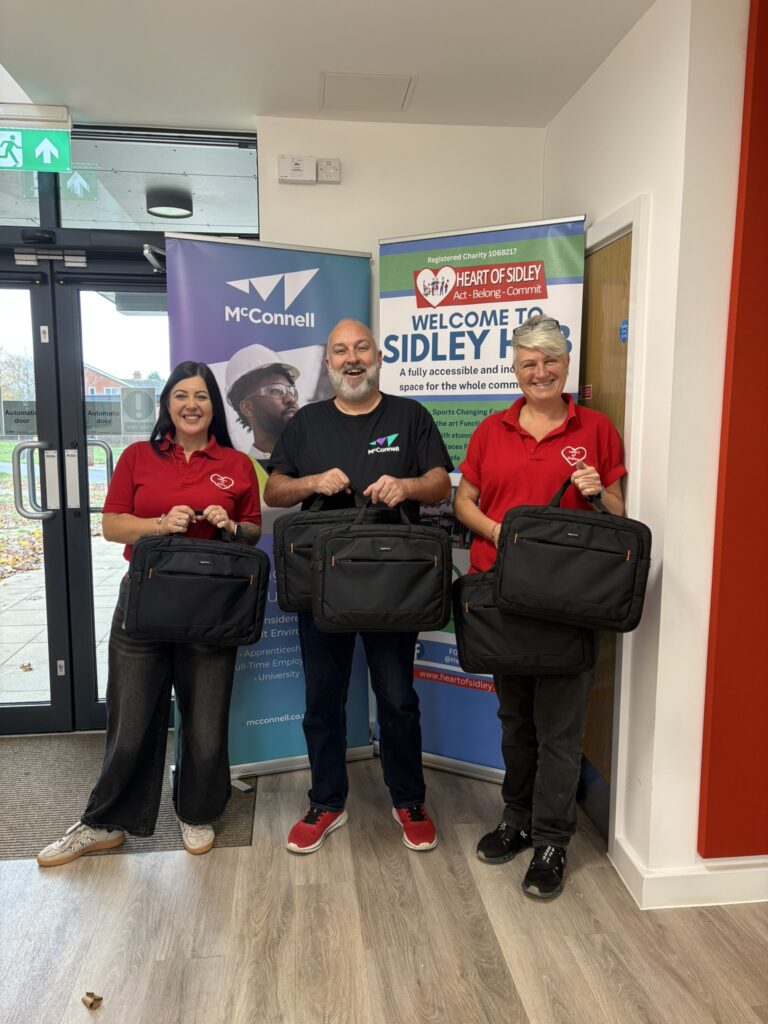
For Julian, this is also why community organisations need to be part of the conversation. They understand the people they support, the challenges they face and the practical help that could make a difference.
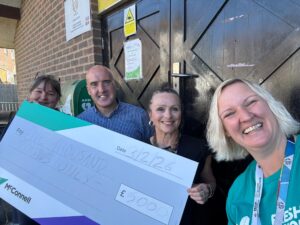
Alongside established partnerships, McConnell uses Match My Project to connect with smaller community organisations and respond to specific local needs. These requests can bring forward opportunities that might otherwise sit outside a business’s usual network.
“The important bit is that the need comes from the community,” he says.
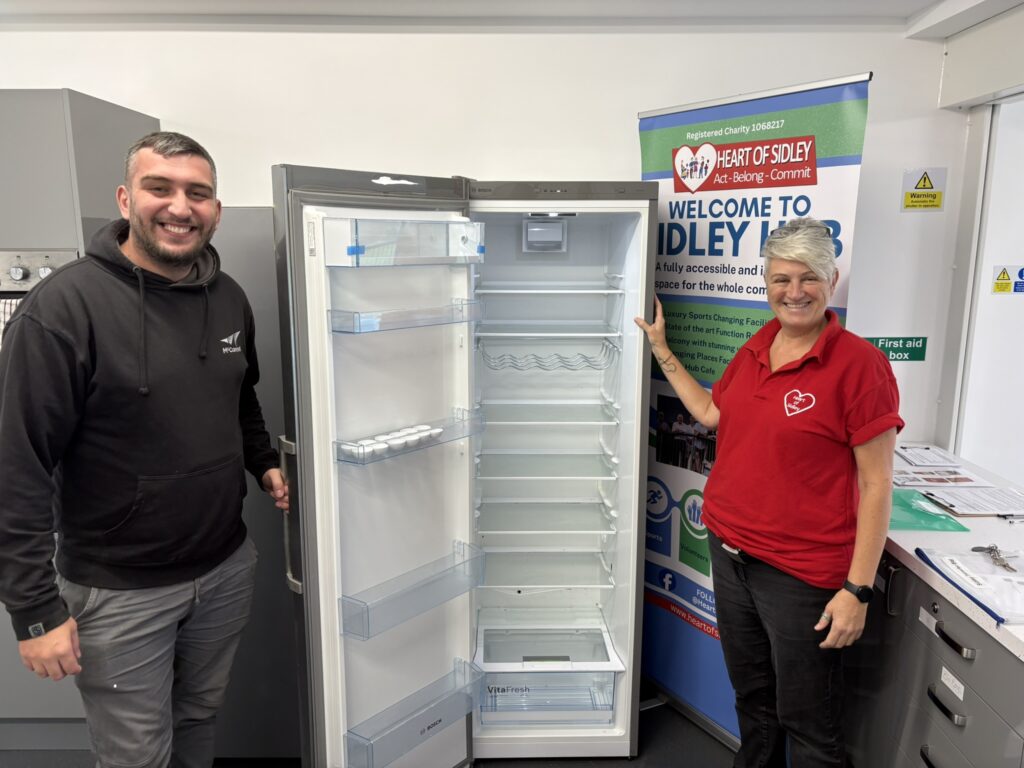
He also believes businesses should look beyond the size of a request when deciding where to contribute. A project does not need a large budget to have a meaningful effect. Sometimes, the right support is a piece of equipment, a few hours of practical help or an introduction to someone who can make something happen.
Looking ahead, Julian wants to continue developing partnerships around young people, employment and skills, homelessness, domestic abuse, care leavers and community facilities. McConnell is supporting a care leaver initiative in Newham and the rollout of a domestic abuse doorbell scheme in Haringey with Hearthstone.
The aim is to keep responding to the needs that emerge within communities and build support that can continue beyond a single project.
There’s a person behind every outcome
Julian’s view of Social Value comes back to the people at the centre of it.
“Social Value is ultimately about people, not numbers. Whether it’s helping a woman feel safer in her own home through Safe At Home, providing a warm meal for a young person, transforming accommodation through ROOTS 2, or giving someone their first opportunity into employment, there’s a person behind every outcome we report.”
It is a reminder that the figures in a Social Value report represent real experiences. Behind every meal provided, home improved or opportunity created is someone whose circumstances may have changed because the right support was available.
For Julian, the starting point is to listen, understand the need and keep the people affected by the work in view. The numbers still matter, but they should always reflect the human impact behind them.
About Match My Project
Match My Project is a digital marketplace that connects businesses with community organisations and residents to deliver Social Value in local communities. It takes eight minutes to add a project. Get in touch at hello@matchmyproject.org to find out more.
Practical Social Value ideas, once a month
Get useful guidance, community stories and updates from across the Match My Project network.
Choose the newsletter most relevant to you:
By subscribing, you agree to receive the selected monthly newsletter. You can unsubscribe or change your preferences at any time.